Travel and Tourism
Tuscan holidays between nature, relaxation and authenticity
The value of slow tourism in Tuscany
In recent years, the concept of travel has changed significantly. More and more travelers are looking for authentic experiences, far from crowded routes and able to offer direct contact with the territory. In this context, Tuscany stands out as one of the most appreciated destinations worldwide, thanks to its unique combination of landscapes, traditions, and quality of life.
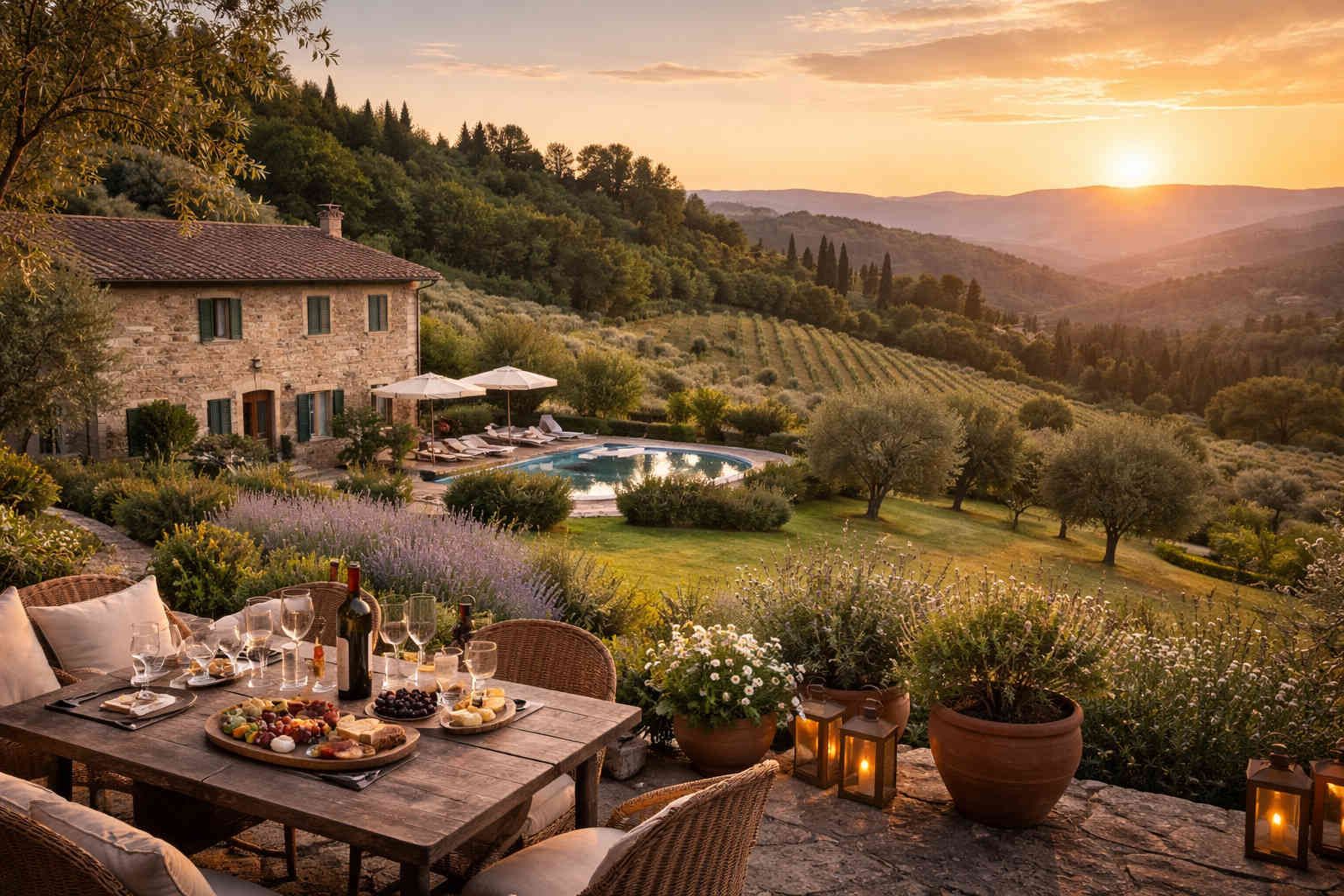
Slow tourism is based on a conscious approach to travel. It is not just about visiting places, but about experiencing them. This means slowing down, observing, connecting with the environment and with the people who live there. The Tuscan hills, with their olive groves, vineyards, and historic villages, provide the ideal setting for this kind of experience.
Nature, landscape and well-being
One of Tuscany’s most distinctive elements is its landscape. Rural areas, often characterized by rolling hills and wide green spaces, naturally promote a sense of balance and tranquility that is hard to find elsewhere. This type of environment contributes significantly to physical and mental well-being.
Several studies on experiential tourism highlight how contact with nature positively affects:
-
stress reduction
-
improved sleep quality
-
increased concentration
-
greater emotional balance
These benefits are amplified when staying in authentic settings, where daily rhythms are slower and connected to natural cycles. Properties immersed in greenery allow guests to enjoy moments of silence, breathe clean air, and rediscover a simpler and more genuine dimension.
The importance of local experiences
Beyond the landscape, what makes Tuscany unique is the opportunity to engage in experiences rooted in tradition. Modern tourism is no longer limited to sightseeing but focuses on interaction and active participation.
Among the most popular activities are:
-
tastings of local products
-
traditional cooking experiences
-
visits to local producers
-
guided nature excursions
These experiences allow visitors to better understand the culture of the area, creating a deeper connection with the destination. The added value lies not only in the quality of the activities but in their authenticity.
Privacy and comfort: new traveler needs
Another increasingly relevant aspect is the demand for privacy and comfort. After years dominated by mass tourism, many travelers now prefer more private solutions that guarantee peace and dedicated spaces.
Independent homes and villas surrounded by countryside perfectly meet these needs. They offer the possibility to enjoy a stay autonomously, without giving up modern comforts. This type of accommodation is especially appreciated by families and small groups looking for a shared yet relaxing experience.
Tuscany as a strategic destination
From a geographical perspective, Tuscany also represents an ideal base for exploring some of Italy’s most important cities. Its central location allows for flexible itineraries, combining relaxation with cultural visits.
Among the easily reachable destinations are:
-
Florence, with its artistic heritage
-
Siena, symbol of medieval tradition
-
Pisa, known for its architecture
-
Lucca, with its historic walls
This balance between nature and culture makes Tuscany a complete destination, capable of meeting different travel needs.
An example of contemporary rural hospitality
Within the Tuscan hospitality landscape, there are realities that interpret this approach consistently, offering stays based on authenticity, sustainability, and quality of experience. In this context, a property such as www.porcigliano.com reflects this model of accommodation immersed in nature and oriented toward a slower lifestyle.
This type of offering represents a growing trend: not just providing a place to stay, but creating an environment where travel becomes experience, connection, and discovery.
Sustainability and respect for the territory
Another key element of modern tourism is sustainability. More and more travelers choose accommodations that adopt environmentally responsible practices, contributing to the preservation of the territory.
The most appreciated features include:
-
use of renewable energy
-
attention to materials and construction techniques
-
enhancement of local resources
-
reduction of environmental impact
Tuscany, with its strong agricultural and cultural identity, is particularly suited to this approach. Properties that operate in harmony with the landscape help preserve its value over time.
A return to authenticity
Tuscany’s success as a tourist destination is also linked to its ability to maintain a strong connection with its roots. Despite its growing popularity, many areas retain an authentic identity, far from standardized tourism dynamics.
This is reflected in several aspects:
-
traditional architecture
-
artisanal production
-
local cuisine
-
lifestyle
For travelers, this means access to a more genuine, less filtered, and more meaningful experience. It is precisely this authenticity that represents one of the main attractions.
A different way of traveling
Choosing Tuscany today means embracing a different way of traveling. No longer just places to visit, but places to temporarily live, understand, and respect. This approach transforms a simple holiday into a deeper and more memorable experience.
The future of tourism seems to be moving in this direction: less quantity, more quality. Less rush, more awareness. In this scenario, regions like Tuscany continue to stand out, offering a rare balance between beauty, culture, and well-being.
Popular Posts


Scroll to Top